Let's start from the beginning. This short guide will help you with ear wax removal.
Ear wax is known as cerumen in medicine. There are various methods of removal which we will get to later. There are some methods of removal which can be dangerous including using cotton buds, we will cover those to. But first of all, it is important to understand that we have ear wax for a good reason. It is made by the body to protect us.
Ear wax is formed to protect the ear canal. It lubricates and protects the skin and helps to keep it clean. When ear wax is made it is deep down within the ear canal. When our jaw moves, it gradually pushes the wax out towards the opening of the ear. This is a slow process comparable to the speed of nail growth. As the wax is flushed out of the ear canal it removes bacteria, fungi, water and even tiny insects.
Therefore it is essential not to go overboard when undergoing removal. Removing all of the cerumen in your ear will leave it open to infection. There are times when ear wax becomes a problem. When the body produces too much cerumen it can cause impaired hearing. Excess wax is an inconvenience to as it needs to be cleaned up. Fear, stress and anxiety result in increased production of wax from the ceruminous glands.
Cerumen consists of 60% dead skin and the rest is made up of saturated and unsaturated long-chain fatty acids, squalene, alcohols, and cholesterol. The ear is self cleaning but sometimes removal is necessary. Such situations include production of less fluid cerumen, which is common in elderly people when the glands in the ear canal age. Sometimes the ear canal narrows because of diseases or infections of the skin, bones or tissue. Occasionally trauma can cause blockages too.
There are two types of ear wax. Native Americans and East Asians are more likely to have the gray and flaky dry type. Caucasians and Africans are more likely to have the honey brown colored wet type. It is thought that Native Americans and East Asians have the dry type because it promotes less sweat which was beneficial when they used to live in colder climates.
Unsafe removal
Most people use cotton buds to clean their ears. When they see the cerumen build up on the tip of the bud it seems like a good cleaning job has been done. However ear buds are not a safe way for removal. They actually end up pushing wax deeper into the ear canal. This can cause blockages and lead to complications.
The only way to clean the outer ear using ear buds is by gently twisting an ear bud along the walls of the ear, and never pushing it into the ear canal. This can remove visible wax in the canal without the risk of pushing any cerumen deeper. Most doctors will advise against using cotton buds as they risk the chance of causing a perforated ear drum. Children should never be allowed to use ear buds.
The same goes for any other small objects, they act as a ram rod, pushing wax deeper into the ear. Rolled up napkins, pen tops, keys, bobby pins and any other small objects are dangerous and just as likely to make matters worse. They will push wax deeper and may cause loss of hearing or even a perforated ear drum.
Another removal technique that we do not recommend is ear candling. This is popular in parts of Asia but medical research has found no benefits. One end of a hollow candle is lit and the other end placed into the ear. Studies have shown that the residue left at the end is there whether the candle has been placed into the ear or not. Medical researchers have deemed it both dangerous and ineffective.
Safe Removal Methods
The ear is made up of delicate parts and weak skin which should not be treated roughly. The best removal methods therefore rely on flushing out excess cerumen with liquid. This prevents any risk of pushing the wax in further or damaging the ear drum.
One common way of doing this is by putting a few drops of slightly warm baby oil into the ear at morning and night for a week, or until the oil comes out of the ears clean. The oil should be heated by placing it in a bowl which can then sit in a sink of medium hot water. This way the oil will not get too hot, it can then be applied using an eye dropper. The oil helps to soften the cerumen which loosens it, it is left in each ear for a few minutes before turning over for the next ear. Simply place a cloth under the ear and let the oil drip out, then gently clean the outside of the ear with a cloth.
There are variations of this technique. Instead of baby oil you can use olive oil, coconut oil or mineral oil. Sometimes oil will not remove ear wax completely but it will help to loosen it within the ear canal. If after one week the canal is not clear of cerumen, syringing is preferable. This means flushing out the ear and is known as irrigation.
Once the wax has been softened with oil, the ear should be pulled back which helps to open up the ear canal. Then the solution is sprayed into the ear with the nozzle facing the top of the canal. This creates a flow along the top so that the solution can exit along the base. The solution should again be slightly warmed, ideally to body temperature (37 degrees Celcius).
When using a syringe to irrigate the ear, care should be taken at first to be gentle, especially for children. A fast flow of solution can cause discomfort and if the temperature is wrong it can give feelings of vertigo. This is best done in the shower so that it can be repeated without making a mess.
The solutions which can be used for ear irrigation using a syringe include water, saline (salt water), water with vinegar, or water with bicarbonate of soda. If you have an ear infection or are susceptible to infections, a vinegar solution is the best option.
Drugstores stock a variety of ear cleaning products. These range from syringe kits to ear drops. There is nothing to suggest any of these topical treatments are any better than the home syringing method. However they certainly won't harm your ears. It is a good idea to seek the advice of your pharmacist as they will be able to recommend a cleaning product that suits your needs.
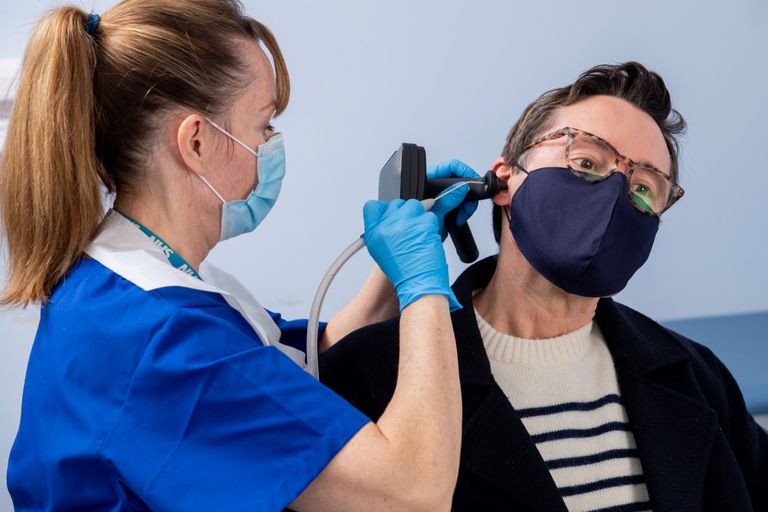
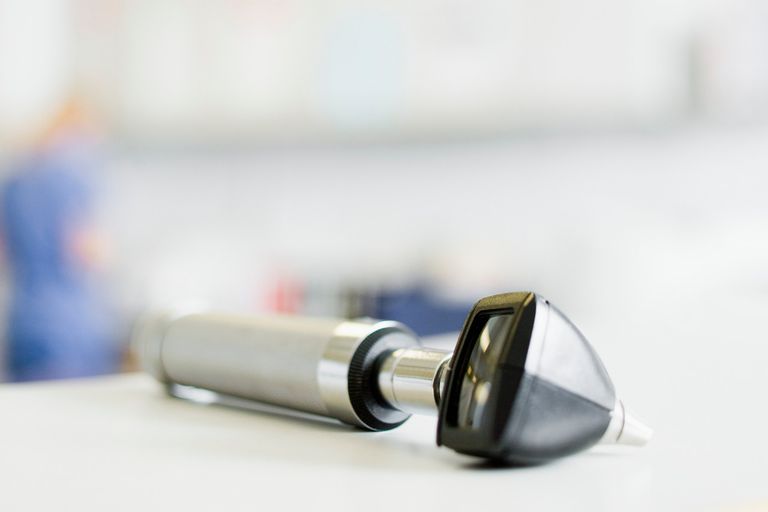
Doctors have different methods of removing ear wax. These should not be tried at home as they require medical training. The most basic method is using a metal speculum, this holds the ear open for inspection. The doctor can then scoop out excess ear wax with a special spoon like device. Doctors sometimes also use a suction bulb or tube, this creates a vacuum which sucks out ear wax.
Summary
Ear wax removal is not necessary in most cases. It is a natural way for the body to clean itself. On occasions when excess cerumen is causing loss of hearing or infection, you can try the warm oil method. If that doesn't work the syringe method can be tried gently. If this still doesn't work try seeking the advice of your doctor, they may be able to correct the problem in minutes. It is vital to be gentle if you decide to undertake ear wax removal yourself. The ear is a fragile part of the body and it is easy to damage without proper care.