Policies
Infection Prevention Control & Clinical Waste Management
Clinical Waste Management & Infection Prevention and Control Guideline
Microsuction Ear Wax Removal (Mobile Service)
1. Purpose
To ensure safe, effective infection prevention and control practices and compliant clinical waste management for a mobile microsuction ear wax removal service, protecting patients, staff, and the wider public.
2. Scope
This guideline applies to all microsuction ear wax removal procedures carried out by the practitioner in patients’ homes.
3. Relevant Legislation & Guidance
This policy is informed by:
• Health and Social Care Act 2008 (Regulated Activities) Regulations
• CQC Fundamental Standards
• HTM 01-05: Decontamination in primary care dental practices (applied principles)
• Health and Safety (Sharp Instruments in Healthcare) Regulations 2013
• Environmental Protection Act 1990
• Hazardous Waste (England and Wales) Regulations 2005
• UK Health Security Agency (UKHSA) Infection Prevention guidance
⸻
4. Standard Infection Control Precautions
4.1 Hand Hygiene
• Hands are washed or sanitised before and after each patient contact.
• Alcohol-based hand gel is used where handwashing facilities are not immediately available.
• Hands are washed with soap and water if visibly soiled.
4.2 Personal Protective Equipment (PPE)
• Disposable non-sterile gloves are worn for every patient.
• Gloves are changed between patients and disposed of as clinical waste.
• Gloves are removed immediately after the procedure and hand hygiene is performed.
⸻
5. Equipment & Consumables
5.1 Single-Use Items
The following items are single use only and disposed of after each patient:
• Microsuction speculum
• Microsuction catheter probes
• Gloves
These items are never reused.
5.2 Reusable Equipment
• The otoscope is cleaned and disinfected between patients using an approved antibacterial and antiseptic cleaning solution.
• All equipment is visibly checked for cleanliness and integrity before use.
5.3 Canister Decontamination
• Microsuction canisters are washed between every patient.
• Canisters are cleaned in accordance with manufacturer’s instructions at 65°C.
• Canisters are thoroughly dried and stored in a clean area prior to reuse.
⸻
6. Clinical Waste Management
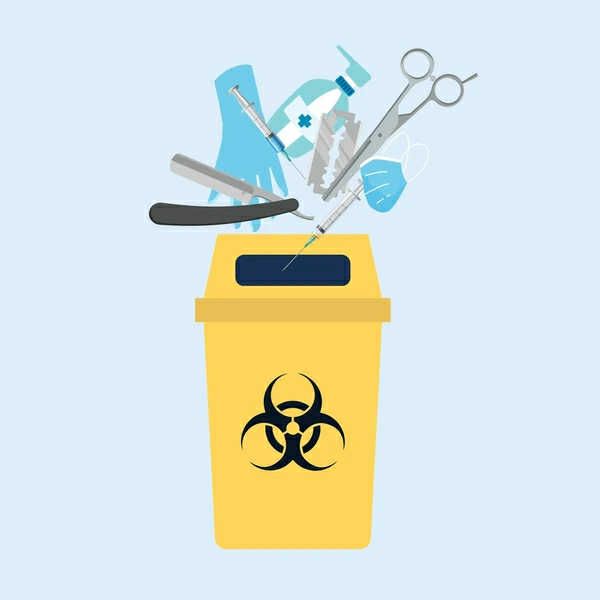
6.1 Waste Segregation
• All clinical waste is segregated at the point of use.
• Waste streams include:
• Sharps (where applicable)+ catheter probes
• Offensive/clinical waste (used speculum, gloves, tubing, tissues)
6.2 Sharps Management
• A portable sharps bin is carried for the mobile service.
• Sharps are disposed of immediately after use.
• Sharps bins are:
• Assembled and labelled correctly
• Never overfilled
• Closed securely when not in use
6.3 Clinical Waste Bags
• Small yellow clinical waste bags are used during patient visits.
• These are sealed after each visit, double bagged and transported safely.
• Waste is later decanted into larger yellow clinical waste bags at the practitioner’s registered home address.
• Waste is collected by a licensed clinical waste contractor.
6.4 Storage & Transport
• Clinical waste is transported securely and discreetly.
• Waste is stored safely at the home address in a designated area awaiting collection.
• Waste transfer documentation is retained in line with legal requirements.
⸻
7. Environmental Cleaning
• All work surfaces are cleaned before and after procedures.
• Any visibly contaminated areas are cleaned immediately using approved disinfectant products.
⸻
8. Spillages & Exposure
• In the event of body fluid contamination:
• Area is cleaned immediately using appropriate disinfectant
• PPE is worn
• Waste is disposed of as clinical waste
• Any sharps injury or exposure incident is recorded and managed according to local policy.
⸻
9. Training & Competence
• The practitioner is trained and competent in:
• Microsuction ear wax removal
• Infection prevention and control
• Safe handling and disposal of clinical waste
• IPC practices are reviewed regularly and updated in line with national guidance.
⸻
10. Audit & Review
• This policy is reviewed annually or sooner if guidance changes.
• is monitored through self-audit and professional review.
Updated on 02/02/2026